Let me be honest with you — when I first heard about the epstein files releases, I rolled my eyes a little. Another document dump? Another headline screaming secrets? But the deeper I went, the more I realized this story actually matters. This isn’t just internet noise or political drama. This is about transparency, accountability, and long-buried information finally seeing daylight.
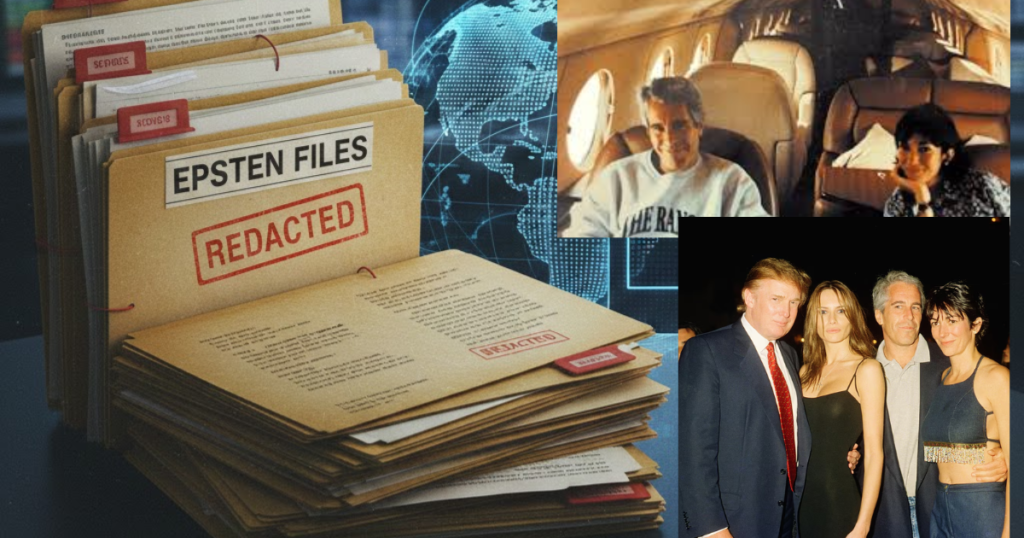
If you’re curious, skeptical, or just trying to separate facts from hype, you’re in the right place. Let’s talk this through like friends over coffee, not like lawyers reading court transcripts.
For more Updates Join —-> https://t.me/CelebCars_in
What People Mean When They Say “Epstein Files”
When people talk about the Epstein files, they usually mean a massive collection of official records connected to Jeffrey Epstein’s criminal investigations. These aren’t random leaks or conspiracy PDFs floating around online. These are government-held documents released under legal authority.
The files include court records, emails, flight logs, photographs, law enforcement reports, and internal memos. Some documents reference Epstein directly, while others show how authorities handled investigations over the years. And yes, some names you recognize appear in these records — but context matters a lot here.
Ever noticed how one name in a document can spark a thousand assumptions? That’s why reading carefully actually matters.
Why the Epstein Files Releases Are Happening Now
The Epstein Files Transparency Act
Here’s the big trigger: the Epstein Files Transparency Act, passed by the U.S. Congress in late 2025. This law forces the Department of Justice to release unclassified records related to Epstein’s criminal cases.
The goal sounds simple — transparency — but the execution gets complicated fast. The DOJ has to balance public interest with survivor protection, privacy laws, and national legal standards. That balancing act explains why releases happen in phases instead of one massive data dump.
FYI, this isn’t optional disclosure. The law mandates it.
Official DOJ source: https://www.justice.gov/epstein
What Has Already Been Released
Initial Document Drops
The first wave of epstein files releases began in December 2025. These early releases included:
- Court filings from federal cases
- Redacted law enforcement reports
- Flight logs connected to Epstein’s private aircraft
- Emails collected during investigations
- Photographs from properties tied to Epstein
Some of this material had already appeared in limited form through court proceedings or congressional inquiries. The difference now is centralized public access.
You can find the some documents here –> Season 2 Link
And yes, reading these documents feels overwhelming at times. I felt that too.
Why Some Files Look Incomplete or Heavily Redacted
This part frustrates people, and I get it.
Many released documents contain blacked-out sections, missing names, or removed details. That doesn’t automatically mean the government is hiding something shady. In many cases, redactions protect:
- Survivors and witnesses
- Personal identifying information
- Ongoing legal matters
- Third parties not charged with crimes
Still, the redactions make some files feel unsatisfying. You expect answers and instead get more questions. Welcome to government transparency, right? :/
The Brief Disappearance of Some Epstein Files
Yes, some files temporarily disappeared from the DOJ website after the initial release. That sparked immediate speculation online.
The DOJ later attributed removals to administrative and technical issues during upload and review. Large-scale document releases often involve corrections, especially when agencies work under legal deadlines.
Does it look messy? Absolutely. Does messy equal malicious? Not always.
What’s Still Coming in 2026
Here’s the part most headlines skip.
The Department of Justice confirmed it is still reviewing millions of additional pages related to Epstein’s investigations. This review continues into 2026 because officials must redact sensitive information before public release.
That means:
- More documents will appear
- Releases will happen in stages
- Updates will continue throughout the year
If you expected instant closure, this process probably feels slow. But legally speaking, it’s moving faster than similar transparency efforts in the past.
High-Profile Names: What They Do and Don’t Mean
Let’s talk about the elephant in the room.
Some Epstein files mention well-known public figures, including politicians, business leaders, and celebrities. A mention might appear in:
- Flight logs
- Address books
- Emails
- Event records
Here’s the key thing people forget: a name appearing in a document does not equal criminal guilt. Context matters. Purpose matters. Evidence matters.
IMO, jumping to conclusions hurts real accountability instead of helping it.
How the Releases Affect Survivors
This might be the most important part of the story.
For survivors of Epstein’s abuse network, these releases represent acknowledgment. Public records validate experiences that powerful people once dismissed or ignored.
That’s why redactions exist — not to protect offenders, but to protect survivors from renewed harm. Transparency should never come at the cost of personal safety.
Ever wondered why justice takes so long? This is one reason.
Where to Read the Epstein Files Yourself
If you want to see primary sources instead of commentary, start here:
U.S. Department of Justice – Epstein Records
https://www.justice.gov/epstein
This site hosts official releases, updates, and explanations directly from the DOJ. It’s the safest way to avoid misinformation and altered documents.
Pro tip: read summaries first before opening raw PDFs. Your brain will thank you.
Common Myths About the Epstein Files Releases
Let’s clear a few things up:
- Myth: Everything has already been released
- Reality: Millions of pages remain under review
- Myth: Every name mentioned committed a crime
- Reality: Mentions require context and evidence
- Myth: Redactions prove corruption
- Reality: Many redactions protect victims and legal integrity
Sarcasm aside, misinformation spreads faster than facts online.
Why This Story Still Matters
The epstein files releases aren’t about gossip or viral moments. They show how power, wealth, and legal systems interact — sometimes uncomfortably.
Transparency builds trust only when people engage responsibly with information. Skimming headlines won’t cut it here. Reading critically actually matters.
And yes, this process feels imperfect. But imperfect transparency still beats permanent secrecy.
Final Thoughts
If you take one thing away from this, let it be this: the Epstein files releases represent an ongoing process, not a single revelation.
More documents will appear. More questions will surface. Some answers will disappoint. Others will matter deeply.
So stay curious, stay skeptical, and most importantly, stay patient. Truth rarely arrives in a neat package — but it does arrive.
And when it does, it’s worth paying attention.